
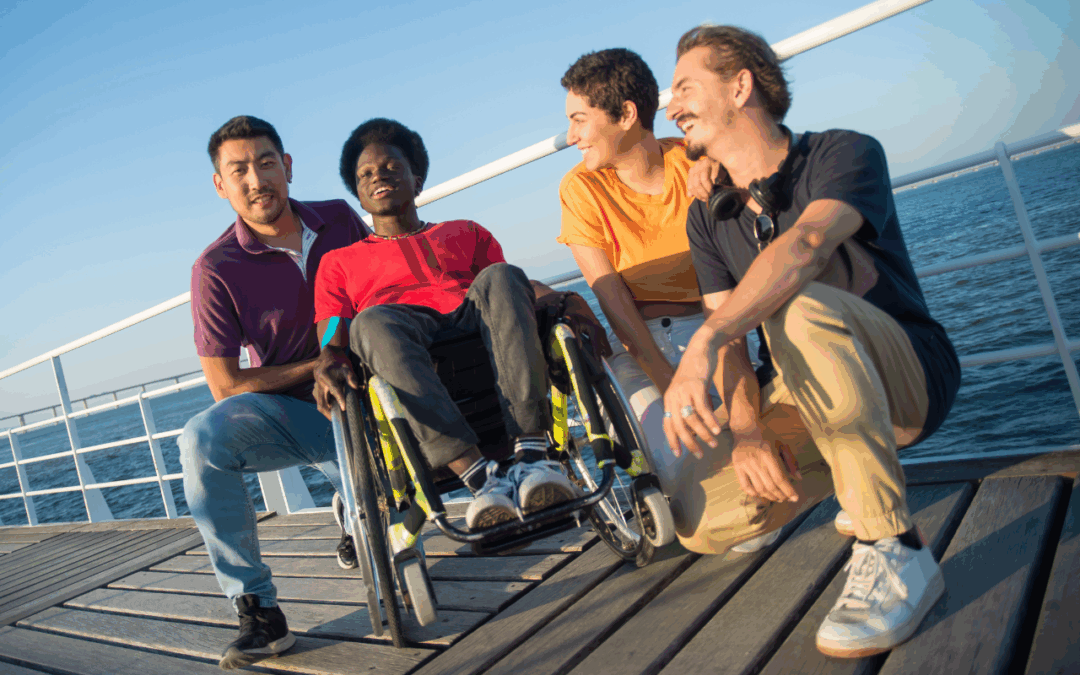
Summer is supposed to be a season of joy—ice cream days, late sunsets, water games, and carefree laughter. But for families of children with disabilities, summer can also bring added challenges: limited accessible options, expensive programs, and a lack of inclusive planning.
At Hope Human Services, we believe every child deserves to experience the magic of summer. That’s why we’ve put together this guide filled with summer activities that are fun, inclusive, and disability-friendly—because accessible joy should be the standard, not the exception.
Let’s dive into how you can create a meaningful, supported, and joy-filled summer for your family.
What Are the Best Summer Activities for Kids With Disabilities?
The best summer activities are the ones that meet your child where they are—physically, emotionally, and socially. These aren’t one-size-fits-all solutions. They’re flexible, creative, and designed with your child’s unique strengths and needs in mind.
Here are some top picks:
- Adaptive sports programs like wheelchair basketball, adaptive swimming, or inclusive yoga.
- Sensory-friendly playdates at home or in familiar environments with low noise, soft lighting, and sensory toys.
- Nature scavenger hunts with visual checklists or tactile items like leaves, stones, or flowers.
- Inclusive art sessions using paint, clay, or recycled materials—bonus points for outdoor easels in the sun!
- Music and rhythm circles using drums, shakers, or adaptive instruments.
- Water play with sprinklers, splash pads, or backyard pools (with the right supports and supervision).
Whether your child thrives in active, social settings, or quiet, imaginative ones, there are summer activities that can be tailored to help them feel included and excited.
Where Can I Find Accessible Summer Camps Near Me?
One of the best ways to engage kids in summer activities is through a structured camp program—but not all camps are created with accessibility in mind.
To find inclusive summer camps near you:
- Start with local disability organizations, like Easterseals, The Arc, or your state’s department of developmental services. They often have vetted lists of camps with accessible facilities and trained staff.
- Reach out to your school’s special education department—they may have community partnerships or local suggestions.
- Use searchable databases, like Kids Included Together (KIT) or Summer Camp Directory, and filter by special needs inclusion.
- Ask your child’s therapist or care team—they may know of programs aligned with your child’s goals or preferences.
What should you look for in an accessible camp?
- Trained staff in disability support
- Physical accessibility (ramps, bathrooms, adaptive equipment)
- A low camper-to-staff ratio
- Flexible schedules or rest breaks
- Clear sensory or behavior supports
- Transparent communication with parents or caregivers
A good camp makes your child feel not just included—but celebrated.
How Can I Plan a Disability-Friendly Family Vacation This Summer?
Traveling as a family should feel exciting—not overwhelming. With some planning, it’s possible to create a summer vacation that’s memorable and accessible.
Here’s how to make it work:
- Choose a destination with accessibility in mind
Look for cities or resorts known for inclusive design (like San Diego, Orlando, or accessible national parks). - Book disability-friendly lodging
Confirm accessible bathrooms, roll-in showers, wide doorways, and on-site support if needed. - Call ahead
Whether it’s a museum, amusement park, or beach—call to ask about accommodations. Many places offer sensory guides, priority entry, or special passes if requested in advance. - Pack a “support bag”
Bring essentials like medications, noise-canceling headphones, fidget tools, and comfort items. - Plan for downtime
Build in moments of rest, quiet meals, or familiar routines to help everyone recharge.
The goal isn’t to have a “perfect” trip—it’s to make space for shared joy, exploration, and family bonding. And with the right prep, your summer vacation can absolutely be disability-friendly.
What Are Some Outdoor Activities for Children With Special Needs?
The outdoors offers a natural playground filled with sensory experiences—but it’s important to ensure outdoor summer activities are accessible, safe, and enjoyable.
Ideas to try:
- Nature walks with adaptive strollers or wheelchairs on paved trails or boardwalks.
- Picnic in the park with noise-reducing headphones and shaded areas.
- Backyard obstacle courses with soft mats, tunnels, or visual markers.
- Gardening together, planting flowers, herbs, or vegetables with tactile and sensory elements.
- Fishing at accessible piers or stocked ponds—slow, quiet, and great for calm connection.
- Biking with adaptive equipment, like tandem bikes or handcycles.
- Outdoor storytime—bring books, beanbags, and read under a shady tree.
The key? Focus on adaptability. Modify the environment, the pace, or the tools as needed—and let your child lead. Outdoor summer activities don’t have to be loud or crowded to be fun. Sometimes, a single sunflower and a sunny afternoon is all it takes.
Are There Free or Low-Cost Accessible Summer Programs for Kids?
Absolutely. Accessible summer activities don’t need to break the bank.
Here’s where to look:
- Public libraries often offer free summer reading programs, sensory story hours, and inclusive events.
- Parks & Recreation Departments sometimes run adaptive swim classes, sports leagues, or inclusive day camps.
- YMCA branches may offer sliding scale or scholarship programs for inclusive summer options.
- Local nonprofits or disability advocacy centers can connect you to grant-funded programs.
- School districts sometimes run Extended School Year (ESY) programs or enrichment classes for students with IEPs.
- Faith-based groups or community centers occasionally offer inclusive VBS (Vacation Bible School) or playgroups at little to no cost.
Pro tip: Call early. Many accessible programs fill up quickly, and financial assistance options are often limited or first-come-first-served.
Final Thoughts: Every Child Deserves a Summer to Remember
The joy of summer shouldn’t be limited by ability. Every child deserves to feel included, celebrated, and supported in creating magical memories. And every family deserves options that are accessible, affordable, and affirming.
At Hope Human Services, we see the beauty in every child’s unique way of engaging with the world. That’s why we advocate for summer activities that go beyond mere inclusion—they create belonging.
Whether you’re signing up for camp, planning a vacation, or simply setting up a sprinkler in the backyard, remember: you’re doing a great job.
You’re making space for joy. You’re saying yes to fun. And you’re showing your child that their summer matters—just as much as anyone else’s.
So take a deep breath, grab your sunscreen, and lean into this season with confidence.
The summer your child deserves is possible—and it starts with you.
Want A Helping Hand?
Hope Human Services provides disability services in Washington State. Our team doesn’t just provide support, we create exceptional life experiences.