
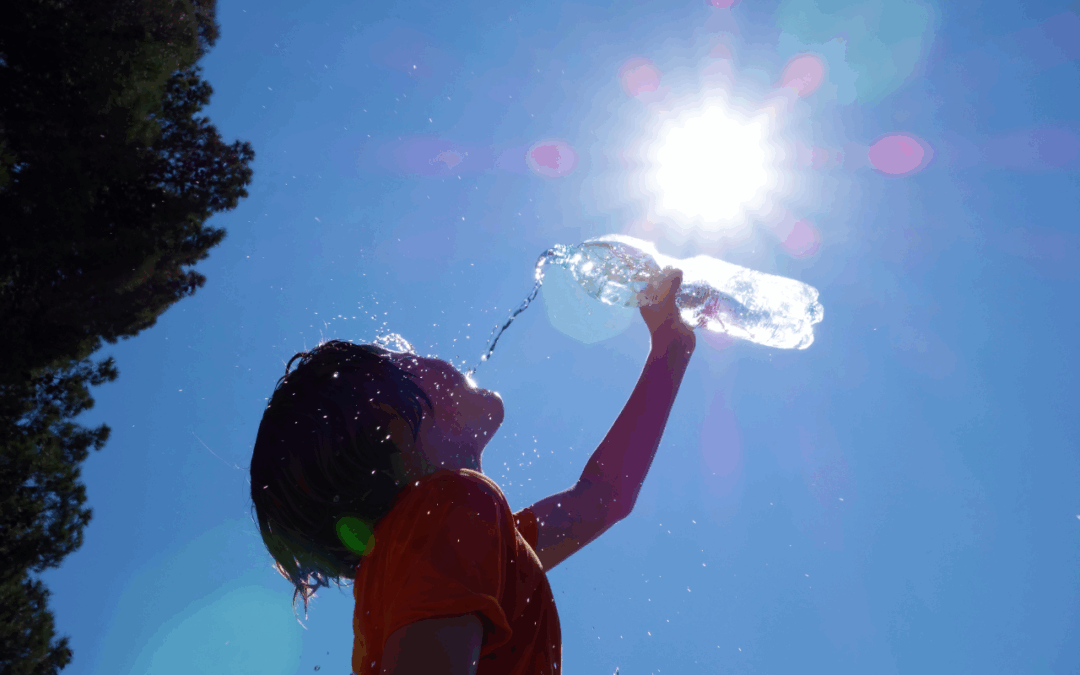
Summer is here—bringing sunshine, outdoor fun, and unfortunately, a serious health risk for many: heat exhaustion.
For people with disabilities, heat exhaustion can be more than uncomfortable. It can be dangerous. That’s why we’re sharing what you need to know to stay safe, cool, and empowered all summer long.
At Hope Human Services, we believe in proactive care. Whether you’re planning a beach day, navigating a heatwave, or just trying to get through errands in rising temps, this guide is for you.
What is heat exhaustion?
Heat exhaustion is your body’s way of saying: “I’m overheated and I need help.” It happens when your body loses too much water and salt, usually through sweating. When this happens, your internal cooling system can’t keep up, and your body temperature rises.
Heat exhaustion is not the same as heat stroke—but it can quickly lead to it if left untreated.
Common symptoms of heat exhaustion include:
- Heavy sweating
- Cold, pale, or clammy skin
- Weakness or fatigue
- Nausea or vomiting
- Muscle cramps
- Dizziness or lightheadedness
- Headaches
- Fainting
It’s your body waving a red flag. And it needs you to listen.
How heat exhaustion affects people with disabilities
Heat exhaustion affects everyone differently, but for people with disabilities, the risks are often higher—and more complex.
Here’s why:
- Some disabilities affect the body’s ability to regulate temperature (like spinal cord injuries, multiple sclerosis, or certain neurological conditions).
- Medications for chronic conditions can interfere with your ability to sweat or stay hydrated.
- Limited mobility may make it harder to find or access cooler spaces quickly.
- Communication difficulties may prevent someone from expressing discomfort or asking for help.
- Sensory processing differences may make it harder to recognize internal signals of overheating.
- Adaptive devices like wheelchairs or prosthetics can increase heat retention or limit airflow.
What does this mean? That heat exhaustion may come on faster, feel different, or be harder to detect in people with disabilities.
That’s why it’s so important to be informed, prepared, and proactive.
How long does heat exhaustion last?
The answer depends on how quickly and effectively it’s treated.
Mild to moderate heat exhaustion symptoms often begin to improve within 30 minutes of rest, hydration, and cooling. However, recovery may take a few hours—and some people may feel wiped out for a day or two afterward.
If symptoms linger beyond 24–48 hours, or worsen instead of improving, medical attention is crucial.
And if someone progresses from heat exhaustion to heat stroke, that’s a life-threatening emergency that requires immediate help.
For people with disabilities, recovery may also be slower if the body already has to work harder to manage everyday stressors. That’s not a failure. It just means your body deserves extra care and support.
What are the first signs of heat exhaustion?
Recognizing the early signs of heat exhaustion can help you stop it before it becomes serious.
Watch for:
- Feeling dizzy, lightheaded, or unsteady
- Excessive sweating (or, in some cases, no sweating if the body can’t sweat properly)
- Nausea or a sense of queasiness
- Unexplained tiredness or irritability
- A fast, weak pulse
- Muscle cramps
- Pale or cool skin despite heat
If you or someone you’re with starts showing these symptoms, don’t wait. Heat exhaustion can escalate quickly, especially if underlying health conditions are involved.
And remember—not everyone experiences heat exhaustion the same way. Some people may skip the warning signs and go straight into distress. That’s why having a plan in place matters.
How to treat heat exhaustion
The good news? Heat exhaustion can often be treated at home if caught early.
Here’s what to do:
1. Move to a cooler place
Get indoors, into the shade, or into an air-conditioned space if possible.
2. Lie down and elevate your feet
This helps your body cool down and keeps your blood pressure stable.
3.Drink water or electrolyte fluids
Hydration is essential. If you’ve been sweating a lot, drinks with electrolytes (like sports drinks or oral rehydration solutions) can help replace lost salts.
4.Loosen or remove tight clothing
Allow airflow to help your body cool more effectively.
5.Apply cool compresses or take a cold shower
You can use wet cloths on the neck, wrists, and forehead—or hop in a lukewarm bath to gently bring your temperature down.
6. Rest and monitor
Don’t try to “push through” symptoms. Rest until you feel better and stay alert for signs of worsening.
If symptoms don’t improve within 30 minutes—or if they worsen (confusion, vomiting, fainting, etc.)—seek medical help immediately.
Pro tip: For people with disabilities, always make sure caregivers or support people know your specific signs of overheating and how you prefer to be supported.
Staying safe: How to prevent heat exhaustion this summer
Here are a few practical ways to prevent heat exhaustion before it starts:
- Plan activities in the early morning or late evening, when temperatures are lower.
- Dress in breathable, loose-fitting clothes—light colors help reflect heat.
- Hydrate regularly—don’t wait until you’re thirsty.
- Take breaks often, especially if you’re outside or in warm environments.
- Use cooling aids like portable fans, cooling towels, or water misters.
- Know your meds—some prescriptions increase heat sensitivity.
- Keep an emergency plan for what to do if you or someone you love begins to overheat.
And if you’re using mobility aids or assistive devices, consider how they might retain heat. Add padding or covers that help keep equipment cooler, and check skin for signs of irritation or overheating.
Final Thoughts: You Deserve a Safe Summer
Too often, summer safety tips forget that one-size-fits-all doesn’t work—especially when it comes to disability. But heat exhaustion is serious, and everyone deserves access to tools and knowledge that help them stay safe.
At Hope Human Services, we believe education is empowerment. We’re here to remind you that your health, comfort, and dignity matter—on the hottest day of the year and every day after.
If you’re worried about how heat exhaustion might affect you or a loved one with a disability, you’re not overreacting. You’re being proactive. And we support that completely.
This summer, take care of your body like it takes care of you.
Rest when needed. Hydrate often. Advocate for cooler spaces.
And if you need support along the way, we’re here.
You deserve to enjoy this season—not just survive it.
Want A Helping Hand?
Hope Human Services provides disability services in Washington State. Our team doesn’t just provide support, we create exceptional life experiences.