
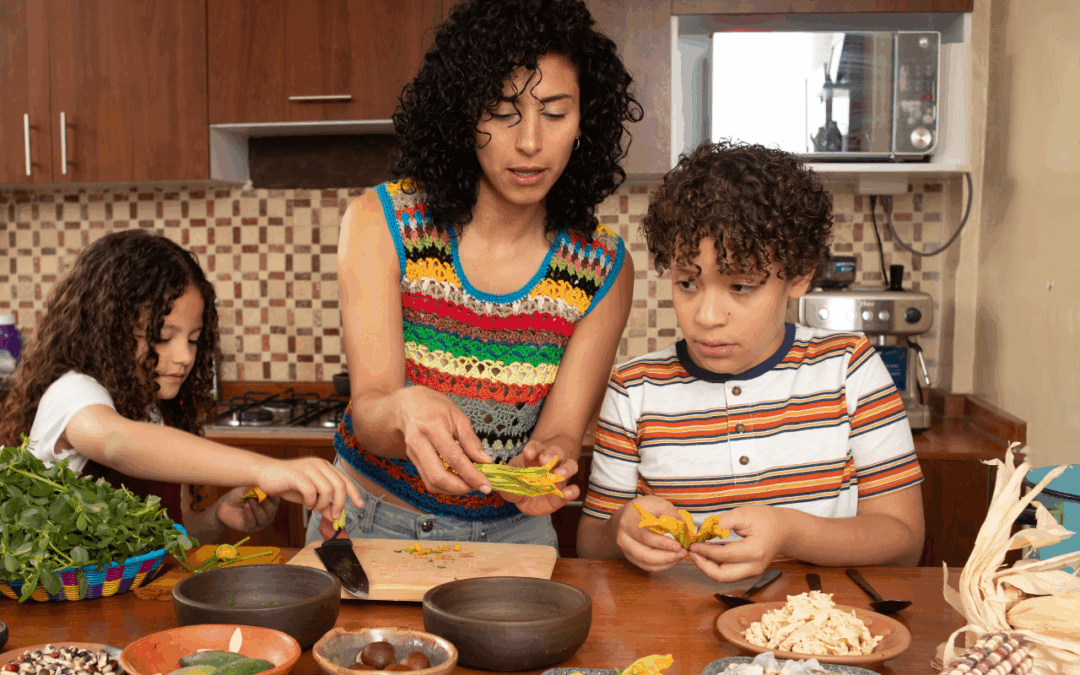
Every September 15th to October 15th, communities across the United States come together to celebrate the rich history, culture, and contributions of Hispanic and Latinx communities. Hispanic Heritage Month is a time for connection, learning, and joy.
But here’s the thing—celebrations aren’t truly complete unless everyone can participate. That means making sure Hispanic Heritage Month activities are accessible and inclusive for people with disabilities.
At Hope Human Services, we believe cultural celebrations should be open to all, because diversity within the Hispanic and Latinx community includes people of all abilities.
What is Hispanic Heritage Month?
Hispanic Heritage Month began as a week-long celebration in 1968 and was expanded to a month in 1988. It honors the histories, cultures, and contributions of Americans whose ancestors came from Spain, Mexico, the Caribbean, Central America, and South America.
The month starts on September 15th because it coincides with the independence anniversaries of several Latin American countries, including Costa Rica, El Salvador, Guatemala, Honduras, and Nicaragua, with Mexico and Chile following shortly after.
For many, Hispanic Heritage Month activities include parades, festivals, concerts, storytelling, and educational events. These gatherings celebrate vibrant traditions, from music and dance to art, cuisine, and history.
And when we talk about celebrating inclusively, we’re talking about ensuring that every one of those activities is welcoming to people with different mobility needs, sensory preferences, and communication styles.
What are accessible Hispanic Heritage Month activities for people with disabilities?
Making Hispanic Heritage Month activities accessible doesn’t mean making them less exciting—it means making them more inclusive. Here are some ideas to celebrate in ways that everyone can join:
- Sensory-friendly art workshops – Create spaces with lower noise, softer lighting, and flexible seating so everyone can enjoy painting, crafts, or cultural displays.
- Accessible cooking classes – Share traditional recipes with adaptive kitchen tools and seating options, plus recipe cards in large print or Braille.
- Virtual cultural tours – Stream live events, museum tours, or storytelling sessions so people can join from home if transportation or mobility is a challenge.
- Inclusive dance classes – Offer seated or low-impact dance options for learning salsa, merengue, or bachata.
- Storytelling circles – Invite elders or community members to share stories with ASL interpretation and captioning.
- Accessible film screenings – Show films about Hispanic culture with captions, audio descriptions, and wheelchair-accessible seating.
- Community art projects – Collaboratively create murals or installations with easy access to supplies and assistance available.
The goal is to create Hispanic Heritage Month activities that center inclusion—not as an afterthought, but as part of the celebration’s design.
How can I adapt Hispanic Heritage Month events for disability inclusion?
If your organization is planning Hispanic Heritage Month activities, here are some practical ways to make sure people with disabilities can fully participate:
Choose accessible venues
Make sure the space is wheelchair-accessible, has ramps and elevators, and includes accessible restrooms.
Provide multiple ways to engage
Offer both in-person and virtual options for those who may prefer or need to join remotely.
Plan for sensory needs
Create quiet zones for breaks, limit flashing lights, and consider offering sensory kits with items like earplugs or fidgets.
Ensure communication access
Provide ASL interpreters, captioning, and printed materials in large print or Braille.
Adapt activities for participation
If you’re hosting dance, art, or cooking events, provide adaptive tools, flexible seating, and alternative participation options.
Ask for feedback
Engage people with disabilities in the planning process to ensure Hispanic Heritage Month activities meet a variety of needs.
By making these adjustments, you’re not just accommodating—you’re actively creating a welcoming environment where everyone can celebrate culture, history, and community pride.
Why inclusion matters in cultural celebrations
Culture is richer when it’s shared. For people with disabilities, being included in Hispanic Heritage Month activities isn’t just about physical access—it’s about belonging. It’s about being part of traditions, music, food, and art that celebrate identity and heritage.
When events are designed with inclusion in mind, they send a clear message: every voice, every story, and every person matters. And that’s what truly strengthens our communities.
Final thoughts: Celebrating heritage, celebrating everyone
Hispanic Heritage Month activities should reflect the diversity of the Hispanic and Latinx community—including those with visible and invisible disabilities. By making events more accessible, we not only uphold the values of inclusion but also enrich the celebration itself.
At Hope Human Services, we believe that accessibility is culture. It’s about honoring every individual’s right to participate, connect, and feel proud of their heritage.
This month, as we celebrate music, food, art, and history, let’s also celebrate community care.
Let’s design Hispanic Heritage Month activities that invite everyone to the table. Because when everyone is included, the celebration is that much brighter.
Every September 15th to October 15th, communities across the United States come together to celebrate the rich history, culture, and contributions of Hispanic and Latinx communities. Hispanic Heritage Month is a time for connection, learning, and joy.
But here’s the thing—celebrations aren’t truly complete unless everyone can participate. That means making sure Hispanic Heritage Month activities are accessible and inclusive for people with disabilities.
At Hope Human Services, we believe cultural celebrations should be open to all, because diversity within the Hispanic and Latinx community includes people of all abilities.
Want A Helping Hand?
Hope Human Services provides disability services in Washington State. Our team doesn’t just provide support, we create exceptional life experiences.