
Written by Hope Human Services
Hope Human Services supports adults and youth with intellectual and developmental disabilities across Washington State and is committed to equitable, person-centered care for every person we serve, including celebrating the incredible service dogs who help make that care possible.
Learn more about Hope Human Services
National Dog Day is celebrated every year on August 26 to recognize the companionship, loyalty, and joy dogs bring to people’s lives. It is also an opportunity to celebrate service dogs and the important role they play in supporting people with disabilities. These highly trained animals are more than companions—they are trusted partners who help individuals increase independence, navigate daily challenges, and build confidence in everyday life.
Key Takeaways
- National Dog Day is celebrated every year on August 26.
- Service dogs are highly trained partners that assist people with disabilities.
- Different types of service dogs provide different types of support.
- Service dogs can promote independence, confidence, and community participation.
- Celebrating service dogs means recognizing both their training and their bond with their handlers.
Table of Contents
- What Is National Dog Day and Why Does It Matter?
- What Are the Different Types of Service Dogs?
- How Are Service Dogs Trained?
- What Benefits Do Service Dogs Provide Beyond Physical Tasks?
- What Does the Bond Between a Service Dog and Handler Look Like?
- How Can You Celebrate National Dog Day This Year?
- Frequently Asked Questions
What Is National Dog Day and Why Does It Matter?
National Dog Day is a yearly celebration on August 26 that recognizes dogs and the important roles they play in people’s lives. The day highlights companionship, loyalty, and the many ways dogs support individuals, families, and communities.
For disability service providers, National Dog Day can also serve as a meaningful service dog day—a time to recognize the dedication, training, and partnership behind the assistance dogs that support people with disabilities.
Service dogs are not simply pets. They are trained working animals that develop a unique partnership with their handlers. Their support can make everyday activities more accessible while providing companionship and confidence.
At Hope Human Services, National Dog Day is also a reminder that meaningful support can come from many relationships, including the partnership between a person and a service dog.
What Are the Different Types of Service Dogs?
Service dogs are trained to provide specific assistance based on an individual’s disability-related needs. Different types of service dogs support people in different ways.
Common types of service dogs include:
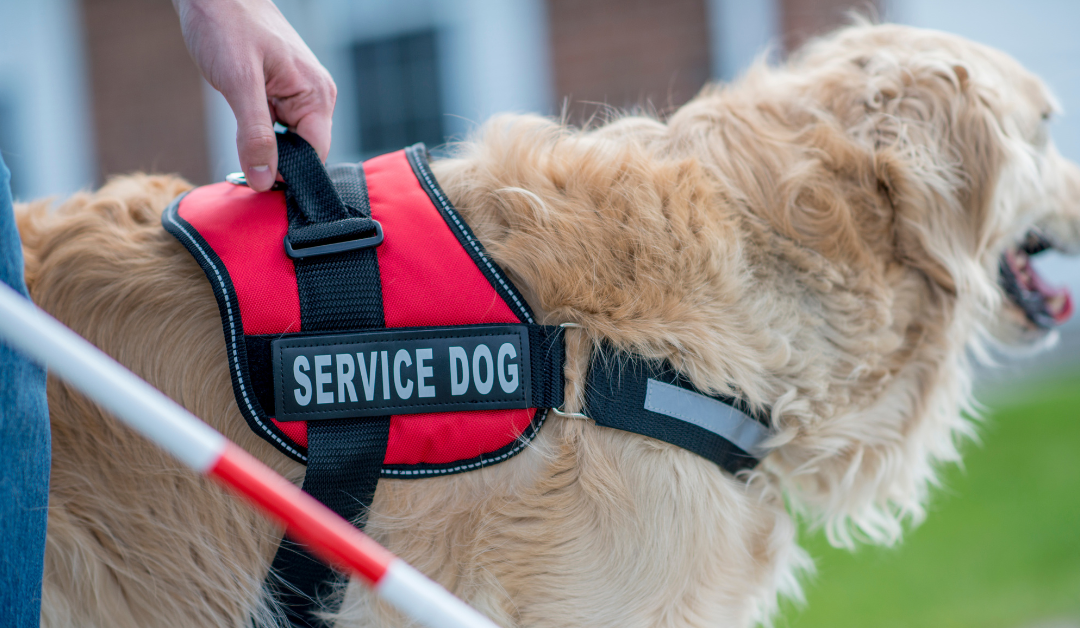
- Guide dogs: Assist individuals who are blind or visually impaired by helping with navigation and avoiding obstacles.
- Mobility assistance dogs: Help people with physical disabilities by retrieving items, providing balance support, or assisting with daily tasks.
- Medical alert dogs: Alert handlers to medical conditions such as changes related to seizures or other health concerns.
- Hearing dogs: Assist people who are deaf or hard of hearing by alerting them to important sounds such as alarms, doorbells, or someone calling their name.
- Psychiatric service dogs: Support individuals with psychiatric disabilities by performing specific trained tasks that help with daily functioning.
- Autism service dogs: May assist some autistic individuals by providing safety support, helping with transitions, or supporting emotional regulation.
Each service dog partnership is unique. The type of support provided depends on the person’s goals, preferences, and individual needs.
For individuals receiving disability services, service dogs can become an important part of a larger support network that may include family members, caregivers, healthcare professionals, and direct support professionals.
How Are Service Dogs Trained?
Service dogs are trained through specialized programs that teach them how to safely and reliably support their handlers. Training often includes obedience skills, public behavior, and specific tasks related to a person’s disability.
A service dog must learn more than basic commands. The dog needs to understand how to respond appropriately in different environments, remain focused despite distractions, and perform tasks consistently.
Examples of trained service dog tasks include:
- Retrieving objects.
- Opening doors.
- Providing balance support.
- Alerting a person to sounds or changes in their environment.
- Guiding a person around obstacles.
- Interrupting certain behaviors or providing grounding support.
- Helping a person navigate daily routines.
Training requires time, patience, and a strong relationship between the dog and handler. The handler also learns how to communicate with and care for the dog as part of the partnership.
A research study published by the National Institutes of Health (NIH) explores the relationship between assistance dogs and quality of life outcomes, showing that these partnerships may provide meaningful benefits beyond practical assistance.
What Benefits Do Service Dogs Provide Beyond Physical Tasks?
Service dogs provide benefits that extend beyond the specific tasks they are trained to perform. Many handlers describe their dogs as sources of confidence, connection, and increased independence.
Peer-reviewed research published by the National Institutes of Health (NIH) suggests that assistance dogs may positively influence social interaction, emotional well-being, and daily functioning for some individuals with disabilities.
A service dog may help a person feel more comfortable participating in community activities, attending appointments, going to work, or engaging in social experiences. The dog’s presence can also create opportunities for connection with others.
For disability service providers, it is important to recognize that support is about the whole person. Independence is not only about completing tasks. It is also about feeling empowered, included, and able to participate in meaningful parts of life.
What Does the Bond Between a Service Dog and Handler Look Like?
The bond between a service dog and handler is built through trust, communication, and teamwork. Over time, the dog and handler learn each other’s routines, needs, and signals.
A successful service dog partnership requires commitment from both sides. The handler provides care, training reinforcement, and companionship, while the dog provides trained support and assistance.
For many people with disabilities, this relationship becomes an important part of daily life. A service dog may help someone feel more confident leaving home, trying new activities, or managing challenges with greater independence.
How Can You Celebrate National Dog Day This Year?
National Dog Day is a great opportunity to celebrate dogs while recognizing the important role service dogs play in supporting people with disabilities. Whether you have a dog at home, work alongside service providers, or simply appreciate the human-animal bond, there are many ways to honor these incredible animals.
For disability service teams, the day can be a chance to recognize the service dogs that support individuals in their communities. A simple acknowledgment can help educate others about the difference between pets, service dogs, and other types of assistance animals.
Some meaningful ways to celebrate include:
- Sharing stories about the positive impact of service dogs.
- Learning about how service dogs support people with disabilities.
- Creating educational activities about assistance animals.
- Thanking service dog handlers and the organizations that train working dogs.
- Supporting organizations that provide service dog programs.
- Taking time to appreciate the companionship and connection dogs bring to people’s lives.
It is also important to remember that service dogs are working animals. While many people are naturally drawn to friendly dogs, service dogs should not be distracted, touched, or called away from their tasks without permission from their handler.
Respecting the partnership between a person and their service dog is one of the simplest ways to show support. Learn more about how service animals can support individuals with disabilities.
Frequently Asked Questions
Can any dog become a service dog?
No, not every dog is suited to become a service dog. A service dog must have the right temperament, behavior, and ability to learn specialized tasks while staying focused in a variety of environments. Professional training programs carefully assess each dog to determine whether it has the skills and qualities needed to safely support a person with a disability.
Are service dogs allowed in all public places?
Yes, in many situations, service dogs are legally allowed in public places where pets are not permitted. Under the Americans with Disabilities Act (ADA), businesses and organizations generally must allow service dogs that are trained to perform tasks related to a person’s disability.
Service dogs are working animals, and members of the public should respect their role by not distracting or interfering with them while they are assisting their handler.
What is the difference between a service dog and an emotional support animal?
A service dog is trained to perform specific tasks related to a person’s disability. An emotional support animal provides comfort and companionship but does not have the same task-training requirements or public access rights as a service dog under the ADA.
Both may provide meaningful support, but their roles and legal protections are different.
How much does it typically cost to train a service dog?
The cost of training a service dog varies depending on the type of assistance needed, the organization providing the training, and the amount of specialized instruction required. Training a service dog can involve many months or years of preparation, professional support, and ongoing care.
Many service dog organizations use fundraising, donations, or financial assistance programs to help make trained service dogs more accessible.
About Hope Human Services
Hope Human Services supports adults and youth with intellectual and developmental disabilities across Pierce, Spokane, and Clark counties in Washington State through residential and clinical care. Our person-centered approach celebrates every form of connection and support that helps the people we support thrive, including the incredible partnerships between service dogs and their handlers.
Our disability services are built around seeing the whole person, including their strengths, preferences, relationships, and sources of support. We believe meaningful care goes beyond meeting basic needs—it means creating opportunities for independence, confidence, and community connection.
What sets us apart is our commitment to recognizing every source of strength in a person’s life. Whether that support comes from family, caregivers, community relationships, or a service dog partnership, we celebrate the connections that help individuals live fulfilling lives. For more information about our disability services, contact us today.
Want A Helping Hand?
Hope Human Services provides disability services in Washington State. Our team doesn’t just provide support, we create exceptional life experiences.